
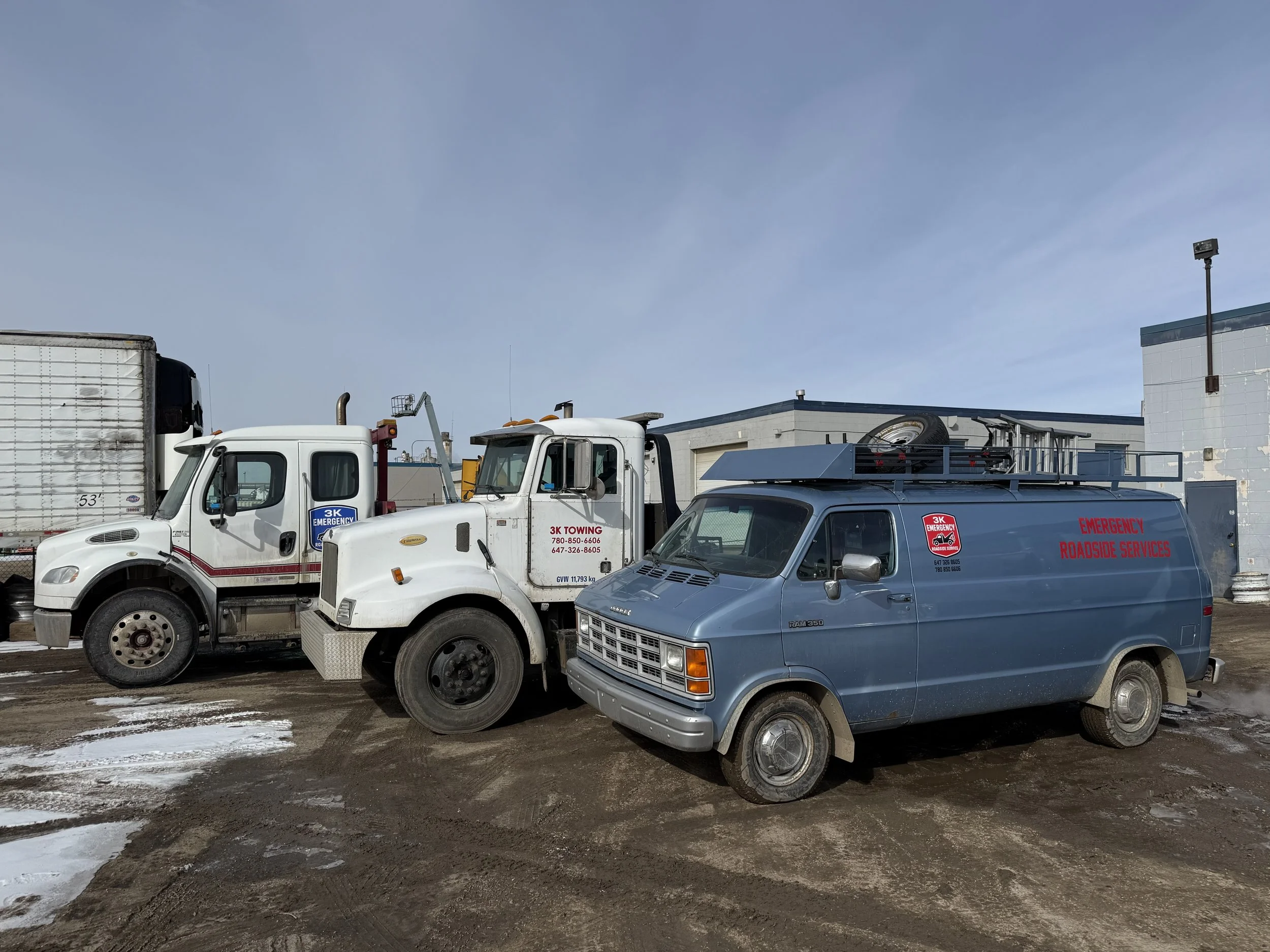
Wrecker Towing Edmonton | Safe Accident Recovery & Insurance Claims
Your Accident Isn't Over When the Police Leave
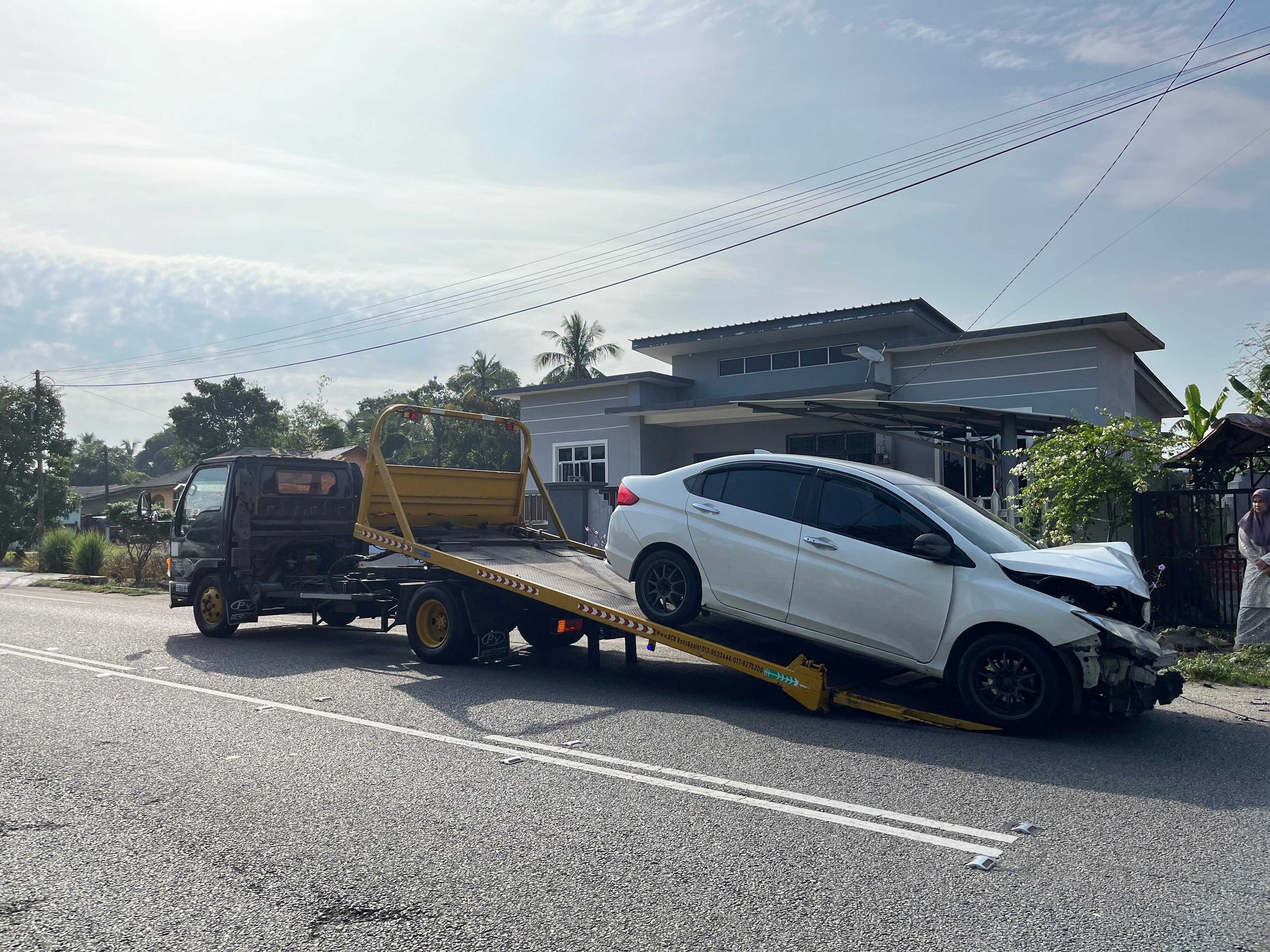
You've been in a collision. Police filed the report. Your car has damage but still sits on the road or lot. What happens next? A professional wrecker crew arrives, documents everything, recovers your vehicle safely, and transports it to your shop—all while helping you file the insurance claim. That's wrecker service. It's medium-duty recovery focused on accident vehicles, damage documentation, and getting you back on the road.
Whether your collision was minor (fender-bender) or major (multi-vehicle), our wrecker trucks have the equipment and expertise to recover, document, and transport safely.
What Is Wrecker Towing?
The Equipment
A wrecker truck combines a flatbed platform with an articulating boom arm (lifting crane) on the rear. The boom can lift, rotate, and precisely position damaged vehicles. It's designed for medium-duty recovery—cars and light trucks primarily, but also some larger vehicles when needed.
The Capability
Wrecker trucks excel at:
• Lifting damaged vehicles with crushed frames or compromised suspension
• Recovering vehicles from tight accident scenes (between guard rails, under overhangs, between other cars)
• Positioning vehicles for safe transport when wheels are damaged
• Multi-vehicle accident recovery (sequential lifting and positioning)
The Purpose
Wrecker towing is built for accident recovery—carefully assessing damage, documenting everything for insurance, and transporting vehicles safely to repair shops. It's professional, methodical, and insurance-friendly.
Wrecker vs. Flatbed: Which Do I Need?
Wrecker Truck
Use when your vehicle is damaged, stuck in difficult position, or has structural issues. The boom arm provides precision and flexibility. Slightly more expensive but necessary for complex recoveries.
Flatbed Truck
Use when your vehicle is intact or minimally damaged and can be safely loaded via standard hydraulic descent. Faster, simpler, and often more economical.
When you call 3K after a collision, our dispatch team assesses your situation and recommends the right equipment. If you're unsure, wrecker provides extra safety margin.
Accident Recovery Process
Step 1: Scene Assessment
When our wrecker arrives, the operator photographs the damage, the accident scene, and vehicle position relative to other vehicles, guard rails, or obstacles. Documentation begins immediately. This helps your insurance claim.
Step 2: Damage Evaluation
Operator checks whether the vehicle can be loaded via standard flatbed or if boom lifting is necessary. Crushed frames, bent suspension, or missing wheels often require wrecker boom support.
Step 3: Safe Positioning
The boom carefully lifts and positions the vehicle onto the bed. No dragging, no additional damage. Each movement is deliberate and documented.
Step 4: Documentation & Photography
Before transport, we photograph the vehicle from multiple angles, document damage location/severity, and note any hazardous fluids. These photos support your insurance claim.
Step 5: Secure Transport
Vehicle is strapped and chocked. You provide the repair shop address, and we transport carefully to minimize additional movement or damage.
Step 6: Delivery & Claim Support
We deliver to your shop, provide damage documentation to your insurance adjuster if requested, and confirm delivery to you. Full process documented.
Accident Documentation We Provide
Our wrecker operators photograph and document:
• Overall vehicle position and damage
• Close-ups of damaged areas (frame, suspension, undercarriage)
• Fluid leaks or hazardous conditions
• Scene context (guard rails, other vehicles, road conditions)
• Vehicle odometer and condition verification
These photos and notes become part of your insurance claim file. Proper documentation supports faster claim processing.
Insurance Claims & Wrecker Service
Your Insurance Company Has Preferred Vendors
Many insurance companies have preferred tow networks. If your policy has a preferred tow vendor, call them first. Otherwise, you can choose your own towing company.
We Work With All Insurance Companies
3K is experienced with Intact, Aviva, SGI, Progressive, All-state, Desjardins, and every other Alberta insurance provider. We coordinate with adjusters, provide required documentation, and follow insurer protocols.
Who Pays for Towing?
Usually your collision/comprehensive insurance covers towing to the first repair facility. Some policies have towing limits ($500–$1,000). Ask your adjuster about your coverage before we tow.
Wrecker Pricing
Wrecker towing rates are:
• Hook-up: $100–$150 (wrecker premium vs. standard)
• Mileage: $3–$7 per loaded mile
• Complex positioning/boom work: +$100–$200 for difficult extractions
• Scene documentation/photos: included at no extra charge
• Night surcharge (8pm–6am): +$25–$50
• Weekend/holiday surcharge: +$50–$100
Most collision claims are covered by insurance. Your out-of-pocket cost may be zero (depending on your deductible and coverage).
When You've Had an Accident: What to Do
1. Call 911 If Anyone Is Injured
Safety first. Police will respond and file the accident report.
2. Take Your Own Photos
Before the wrecker arrives, take photos of the damage, scene, and other vehicles involved. This supports your claim.
3. Call Your Insurance Company
Notify them of the accident. Ask about your towing coverage and whether they have a preferred vendor. If not, call 3K.
4. Call 3K for Wrecker Recovery
Tell us where you are, what happened, and where you want the vehicle towed. We dispatch immediately. Typical response: 30 minutes metro Edmonton, 45–60 minutes outlying areas.
5. Cooperate with Documentation
Our operator will take photos and document damage. This helps your claim. Be available to answer questions about the accident.
6. Provide Shop Address
Tell us where to tow the vehicle (your preferred shop, dealership, or insurance-preferred vendor). We get it there safely.
[CTA] Accident? Call Now for Wrecker Recovery — (780) 850-6606
Multi-Vehicle Accident Recovery
When multiple vehicles are involved, wrecker trucks excel at sequential recovery. Our operators coordinate positioning, lift and secure each vehicle in turn, and document the entire scene. Insurance adjusters appreciate this methodology—it's clear, professional, and claim-friendly.
Hazmat & Fluid Containment
Damaged vehicles may leak oil, coolant, fuel, or transmission fluid. Our operators are trained in hazmat awareness and proper containment. We notify environmental cleanup if needed and coordinate with authorities on contaminated scenes.