
Vehicle Recovery in Edmonton: Ditch Extraction, Rollover & Winch Service
You're In a Ditch. Now What?
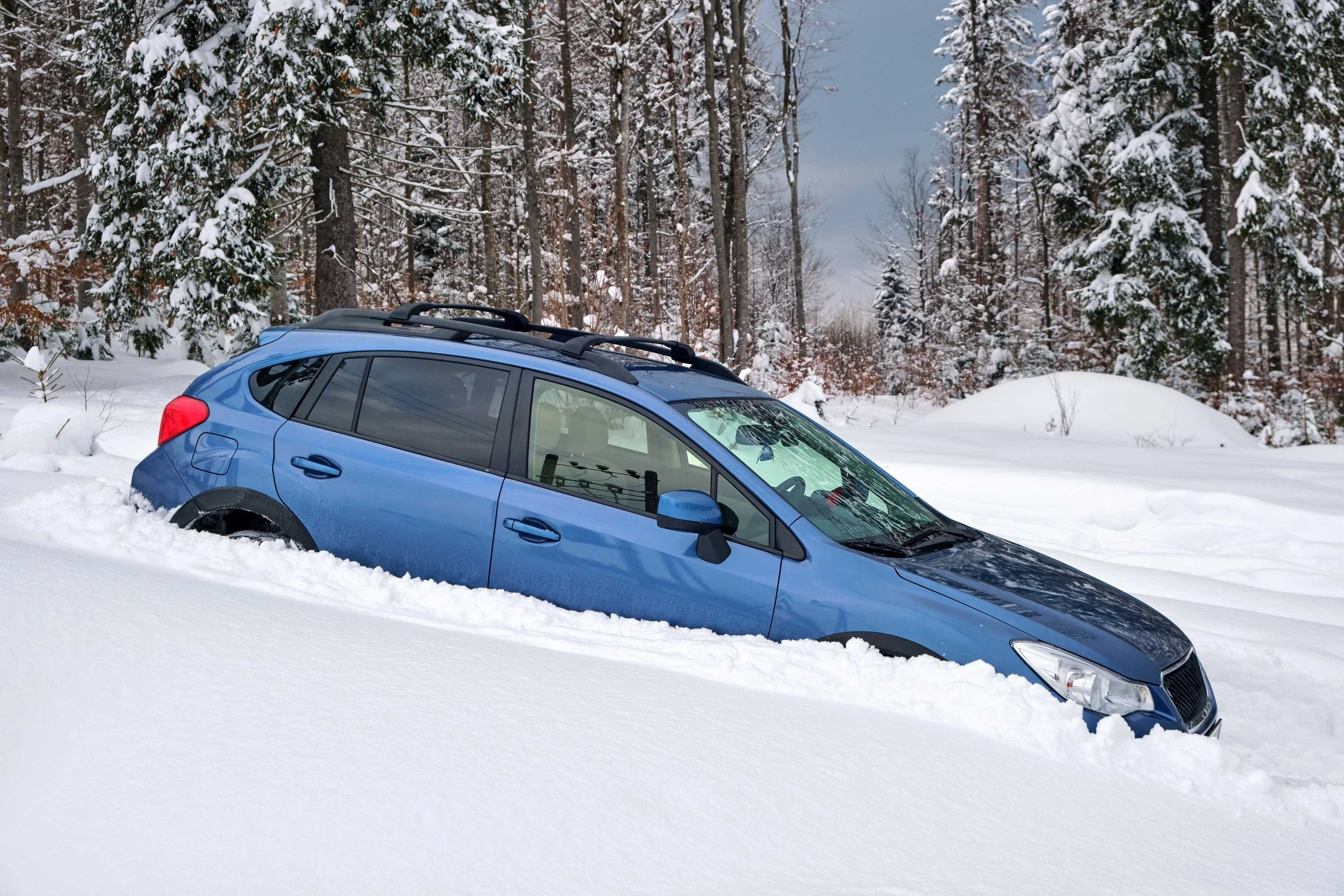
Black ice. Hydroplane. Swerving to miss a deer. Suddenly your car is off the road, sitting in a snowbank, ditch, or field. Your wheels are stuck. You can't drive out. Panic sets in. Vehicle recovery is what happens next. A specialized wrecker with winch equipment arrives, carefully pulls your vehicle back onto level ground, assesses damage, and tows you to safety. In Edmonton winter, ditch recovery is a weekly occurrence. We've extracted thousands of vehicles from impossible angles. Fast, safe, professional.
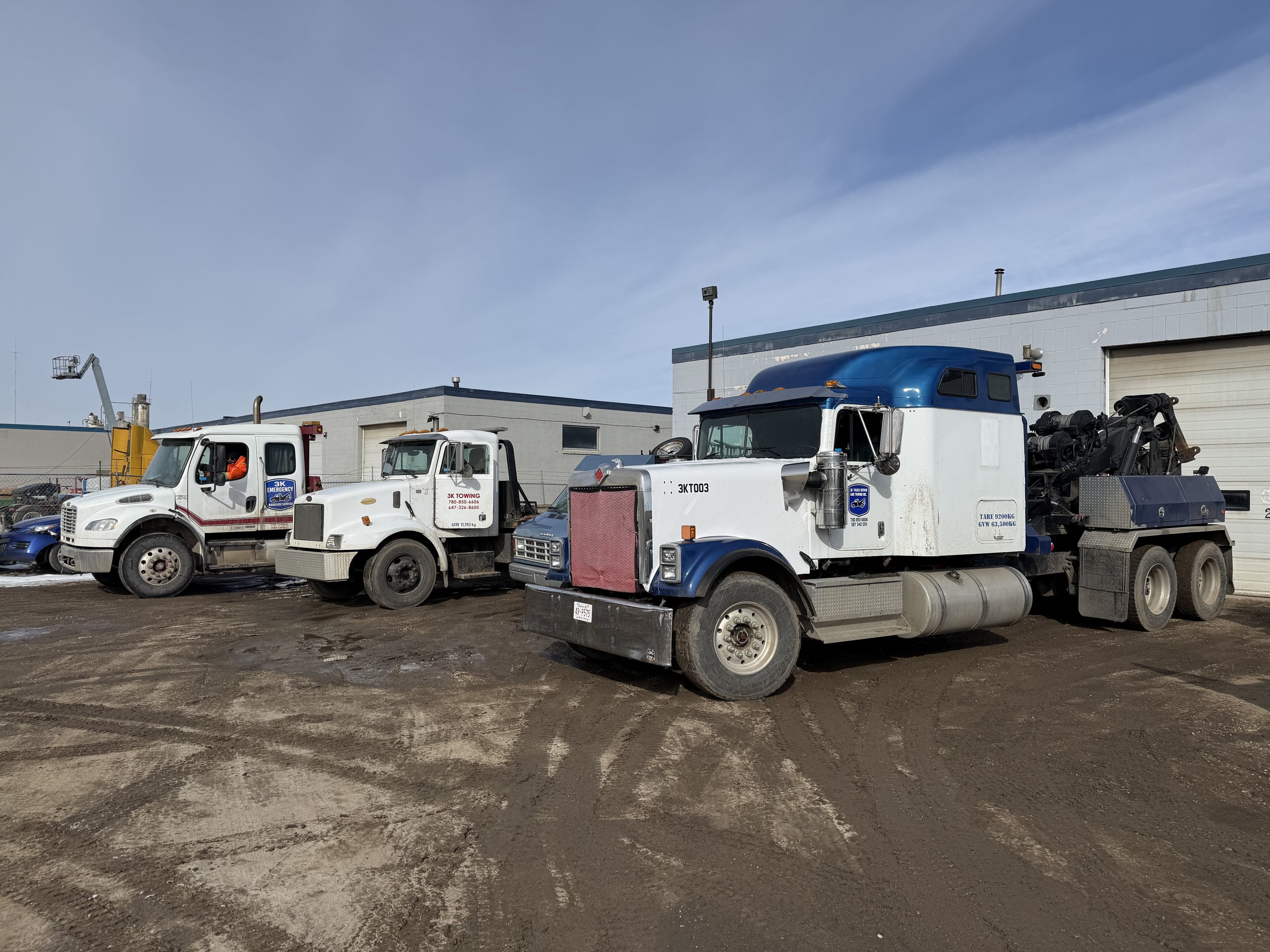
Whether you're in a ditch, rolled over, or stuck off-road, 3K recovery service gets you out.
Types of Vehicle Recovery We Handle
Ditch Recovery
Your vehicle skidded off the road into a roadside ditch. Front wheels are stuck in mud, snow, or ice. The vehicle is tilted and unstable. A winch operator attaches cable to your frame, pulls carefully at the right angle, and extracts you back onto the road.
Snowbank & Winter Recovery
Deep snow hides the ground beneath. Your car sinks in, wheels spin uselessly. Recovery means pulling straight up and back onto pavement, often in subzero cold. Alberta winter drivers know this scenario well.
Rollover Recovery
A multi-vehicle accident, swerve, or extreme angle caused your vehicle to roll. One, two, three times—it's on its roof or side. Specialized wrecker equipment carefully stabilizes and rights the vehicle before extraction. Rollover recovery is complex and requires expertise.
Off-Road & Mud Recovery
Stuck on a gravel road, forestry path, or muddy field? Multi-stage winch pulling, controlled angles, and sometimes snatch blocks or secondary anchors get you back on pavement.
Vehicle Stucking (Non-Emergency)
Your car bottomed out on a high-center driveway or got wedged under something. We assess and carefully extract without damage.
Why Recovery Equipment Matters
Winch System
A winch (powered by the truck's PTO) spools heavy steel cable rated for 20,000–50,000 pounds. The cable attaches to your vehicle's frame, and the truck's engine power slowly pulls your car to safe ground.
Rigging & Anchoring
Recovery isn't just "pull straight up." Operators assess angle, stability, surrounding terrain, and hanging obstacles. Proper rigging uses snatch blocks, secondary anchors, or multiple vehicles to change pull direction safely.
Stabilization Equipment
Rollovers or unstable vehicles need air bags, cribbing, or secondary support. We stabilize before pulling to prevent further damage or tipping.
The Recovery Process
Step 1: Scene Arrival & Assessment
Our operator arrives and immediately assesses: vehicle position, stability, ground conditions, obstacles, angle of pull. This evaluation determines the recovery method.
Step 2: Safety Setup
Hazard lights, cones, or warning triangles establish a safe perimeter. Other traffic is directed away. Then we position the recovery truck and stabilize the stuck vehicle if needed.
Step 3: Rigging
Cable attaches to frame attachment points (chassis, tow hook, or reinforced frame member). For complex pulls, snatch blocks redirect cable angle. Everything is double-checked.
Step 4: Controlled Extraction
The winch operates slowly, steadily pulling. Operator watches for snagging, sudden shifts, or unexpected issues. Communication with you confirms the vehicle is moving safely.
Step 5: Vehicle Assessment
Once on stable ground, we check for new damage, fluid leaks, or safety issues before transport. Photos document recovery and any damage.
Step 6: Transport
Vehicle is loaded (flatbed for non-running or damaged vehicles, or it can roll if operational) and transported to your chosen destination: home, repair shop, or preferred location.
Recovery Pricing
Recovery costs depend on complexity:
• Simple ditch extraction: $150–$250
• Multi-vehicle winch-out: $250–$400
• Rollover recovery: $300–$600 (may require additional equipment or second unit)
• Off-road extraction: $200–$500 depending on terrain and access
• Winch hourly rate (if extended): $75–$150/hour
• Night surcharge (8pm–6am): +$25–$50
• Weekend/holiday surcharge: +$50–$100
Then towing mileage applies: $3–$7 per loaded mile to your destination.
Edmonton Winter Recovery: The Reality
Black Ice Is Real
Invisible ice forms on clear, dry-looking pavement when temps plummet. You're driving normal speed, then suddenly no traction. Your car slides sideways into a ditch. This happens dozens of times per winter on Edmonton roads.
-40°C Challenges
Extreme cold makes cable brittle, fuel gels, hydraulic fluid thickens, and tires lose grip. Recovery operators are trained for -40°C operations—preheating equipment, managing cold-related risks, and working quickly to get you to shelter.
Snow-Covered Hazards
Deep snow hides ditches, drop-offs, and rough terrain. Operators probe carefully to find stable ground before pulling.
Rural Road Rescues
Outside the city, there's no gravel shoulder—just ditch. Recovery means pulling at angles, sometimes with secondary anchors or a second truck providing counter-tension.
When Your Vehicle Won't Drive Out Alone
You can't dig your way out. Your wheels spin. Rocking won't help. You need a winch. Call 3K. We dispatch immediately. Typical response: 30 minutes metro, 45–60 minutes rural. We arrive, assess, extract, and have you on solid ground within an hour.
Rollover: A Specialized Recovery
Why Rollovers Are Dangerous
Rolled vehicles are unstable. Roof crush, broken glass, fuel spillage, electrical hazards, and trapped occupants complicate everything. Professional recovery waits for fire/rescue to clear the scene, then carefully stabilizes and extracts.
Our Rollover Capability
3K operators are trained in rollover stabilization using air bags, winch angles, and secondary equipment. We've recovered dozens of rollovers on Edmonton highways. We know how to do this safely.
Coordination with Emergency Services
When you call 911 for a rollover, they dispatch fire/rescue and police. Once they've secured the scene and confirmed no further hazards, we coordinate with them to extract the vehicle safely.
Non-Running Vehicle Recovery
If your vehicle is stuck but undamaged, we can often recover via winch, then have you drive away. If it's not running, we recover to a flatbed and transport for repair.
Photography & Documentation
We photograph the recovery scene, vehicle condition before/after, and extraction method. This helps with insurance claims and provides evidence for accident reconstruction if needed.
Multiple Vehicle Situations
If your accident involved multiple vehicles, or if a chain-reaction collision blocked the roadway, we coordinate with other tow services to extract all vehicles systematically while managing traffic flow and hazmat concerns.
FAQ: Vehicle Recovery Questions
How long does ditch recovery take?
Typically 15–45 minutes depending on angle, stability, and terrain. Complex rollovers may take 1–2 hours with proper stabilization.
Will my insurance cover recovery?
Most collision and comprehensive policies cover towing/recovery. Your deductible may apply. Call your adjuster before we pull.
What if my vehicle is damaged?
Recovery may cause additional damage if pulling aggressively. We pull carefully at the right angle to minimize this. Minor additional damage is typically unavoidable when extracting from extreme angles.
Is recovery covered if I rolled the vehicle?
Usually yes—collision coverage typically includes towing. Comprehensive may also cover weather-related ditching (sliding on ice). Check your policy or ask your adjuster.
Do you recover commercial equipment?
Sometimes. Heavy equipment, tractors, and industrial vehicles may exceed our equipment capacity. Call and describe what you need to recover.